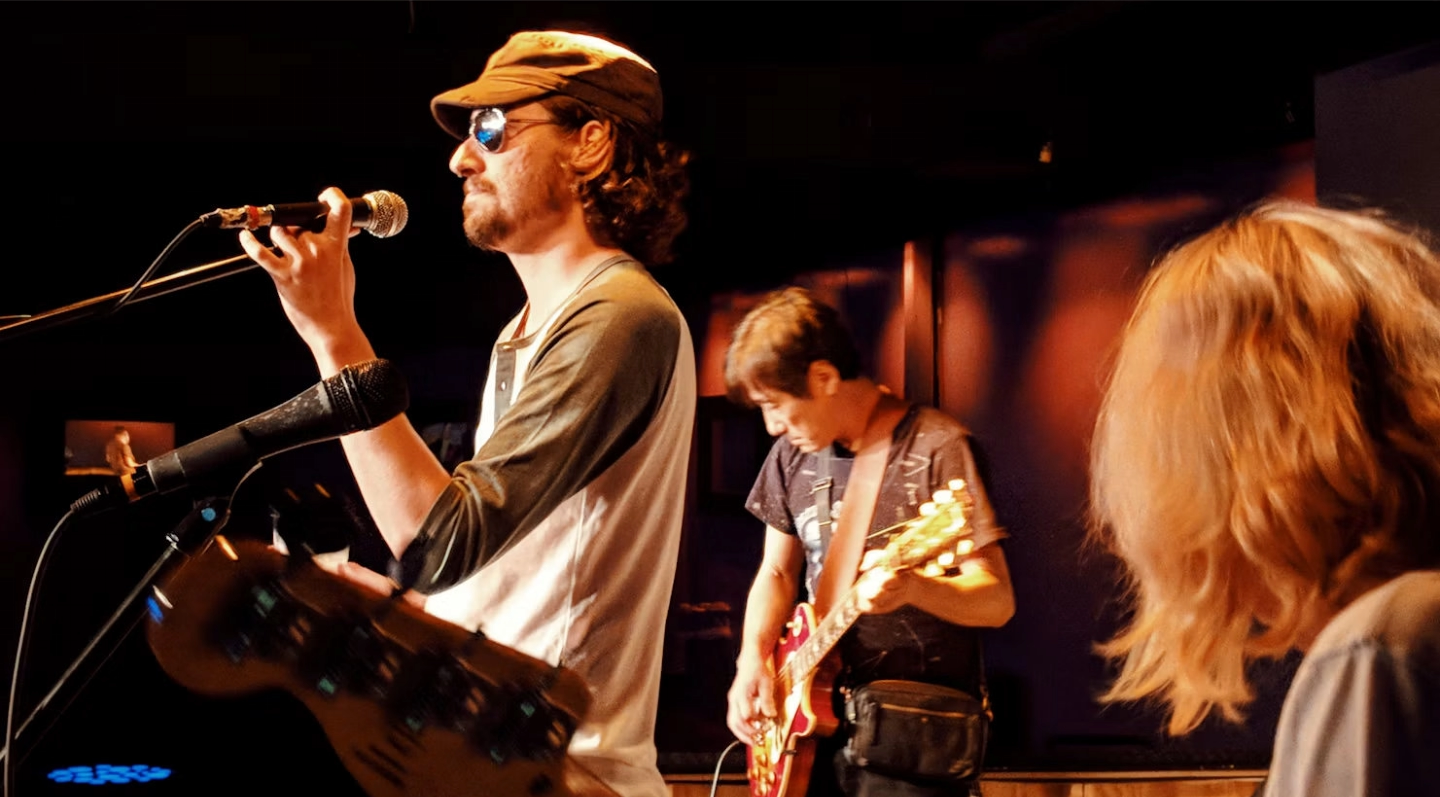
What happens when an artist's AI-generated recording sounds better than anything that artist can actually perform live?
Think about it from the bar owner's perspective.
A musician or band sends their professionally produced demo featuring an incredible vocalist, tasty guitar solos, flawless harmonies, and a super tight rhythm section.
The owner listens and thinks, "Wow! These guys sound fantastic, man. Let's book them for Saturday night!"
But here's the problem.
- Who actually sang those vocals?
- Who played those instruments?
- Can the artist reproduce that performance live?
- Is there even a band behind the recording?
- And what happens when paying customers discover the live performance sounds nothing like the demo they heard?
Back When You Had to Deliver
Back when I was playing clubs, you could put together one heck of a demo. You could spend hours in the studio getting everything just right. But when you walked into the bar on Saturday night, there was no hiding behind that recording.
You had to deliver!
The crowd didn't care how many takes it took to nail that tasty guitar solo you did in the studio. They wanted to hear you play it right there in front of them.
And if you couldn't? Well, chances are you weren't getting invited back.
Now, I'm not saying every demo back then was a perfect representation of a live band. Far from it. Just look at me.
I had overdubs, effects, drum machines, sequencers, and all kinds of studio tricks up my sleeve while I sang and played guitar over the top of them. Musicians have always looked for ways to make their recordings sound better, and I’m one of them.
But there was still a pretty simple understanding between a musician and a club owner.
If you sent somebody a recording to get a gig, you were expected to show up and put on a show worth paying for.
That's where I think artificial intelligence is raising some very interesting questions.
Because today, somebody can create an entire song with convincing vocals, guitar solos, bass lines, drums, and harmonies without actually performing those parts anymore.
The recording might sound fantastic.
But when it comes to playing it live? That’s where the audience is the judge and jury.
When AI Music Took the Stage in Australia
Believe it or not, a related incident has already happened.
On July 1, 2026, an emerging-artist showcase called Mixed Bag took place at Bootleggers, a live music venue inside Kelly's on King in Newtown, Sydney, Australia.
Among the performers was an act called Afro Charles.
According to reporting by ABC News Australia, Afro Charles was created by Damian Amamoo, who used the AI music platform Suno to help develop the project's music.
The act consisted of Amamoo and two virtual members, Afro Charles and Mei Ling, whose vocals were AI-generated.
Amamoo performed his own vocals live alongside those generated voices.
But some of the other musicians on the bill weren't too happy when they discovered how the act was put together.
Fellow performer Aidan Sammut asked why an emerging-artist showcase had included an AI-assisted act when other human musicians were looking for opportunities to perform.
And the booking company, Good Intent, found itself answering some uncomfortable questions.
In a statement reported by Australian music publication The Music, Good Intent founder Rob Carroll acknowledged that he hadn't reviewed the artist's social media or seen the act perform before booking it.
The artist had been presented as a producer using live vocals.
This part is mind boggling to me.
A booking company received information about an act, accepted the description, and booked the performance without fully understanding how the music was being created.
Are you nuts?
That's the very concern I am talking about.
But here's an important part of this story I didn’t tell you.
Amamoo had publicly described the virtual members of his project. His Spotify biography explained that he would sing live alongside those generated vocals.
So this wasn't somebody being caught unable to perform the music on a demo. Nor does the reporting establish that Amamoo deliberately deceived the venue.
The controversy was about communication, expectations, and whether the people booking the show had done their homework.
Following the backlash, Bootleggers changed its booking process to explicitly ask artists about AI use. ABC News also reported that the venue donated the night's bar profits to Support Act, a charity supporting people in the music industry.
That's a pretty big response to something that might have been avoided with just a few questions.
There's Nothing Wrong With Using Technology
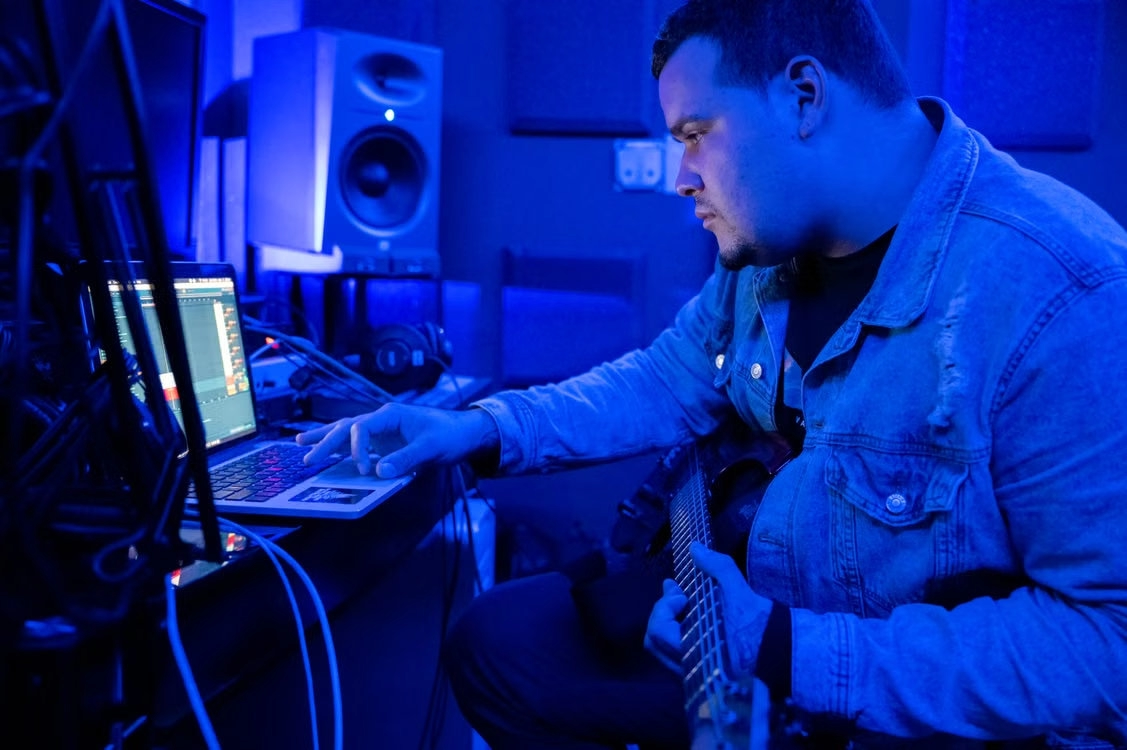
Now, before somebody thinks I'm declaring war on AI music, let me clear something up.
I'm not.
I've been around music long enough to remember when new technology made people nervous.
Drum machines weren't real drummers. Synthesizers weren't real strings, and sequencers weren't real musicians. So, don't even get me started on what people thought about sampling.
Yet talented musicians found creative ways to use those tools.
Technology has always been part of music's evolution. Just look at how music has been delivered to audiences. I remember, my Dad turning me onto his albums & reel to reel, and 8-Tracks. And I experienced cassettes, Compact Discs, and the birth of the MP3.
I can certainly understand why somebody who writes great lyrics but doesn't sing or play an instrument might be excited about finally hearing those songs come to life with AI.
There's nothing wrong with exploring that creative opportunity at all. I’ve been that way all my life.
The question is whether the club owner knows what kind of show they're buying.
The Club Owner Has a Business to Run
Let's put ourselves back in that bar owner's shoes.
It's a Thursday afternoon and you're hoping to fill your bar up on Friday night to watch the band you booked, and you advertise that band based on a terrific demo you got.
Maybe, you promote the show on Facebook. Print out some flyers and hang a few up on your window fronts. Maybe regular customers are already talking about coming out to hear the new band.
Then Friday night arrives, and instead of the whole band showing up, one person walks through the door with a laptop and a microphone.
Now, that person might be a terrific entertainer. But if you were expecting a four-piece band, then buddy, you've got a problem before the first song even starts.
The problem isn’t AI. It's bad communication from the start.
I've seen ‘one man bands’ put on fantastic shows using backing tracks just as much as seeing full bands struggling to keep an audience interested too.
The number of people onstage doesn't automatically determine the quality of the entertainment or the reception from the audience.
What matters is whether the performer can deliver the experience that was promised in the demo.
Three Questions Every Club Owner Should Ask
So how does a venue protect itself without turning the booking process into a courtroom investigation?
I think it starts with three simple questions.
1. Can I see a video of your actual live performance?
This is probably the best evidence you’re going to get. You’ll actually get to see the band in action and hear how they sound.
2. How many people are in the band?
The video should help answer that. But if you hear keyboards and don't see anyone onstage playing them, I'd definitely ask. The same goes if all you've received is a CD or MP3. If it's a solo act, that brings us to question #3.
3. Are you using backing tracks or AI-generated music?
This should not be an uncomfortable conversation between you and the entertainer. They just need to be upfront about what parts are performed live and what parts are prerecorded.
I say, get a video demo of the band live or even better, go out and see them live if they're playing locally.
If it’s an audio demo you’ve been given, that sounds like a full band. I would start asking the other questions to prevent a lot of miscommunication and chaos, especially the night of the gig.
What About the Paying Audience?
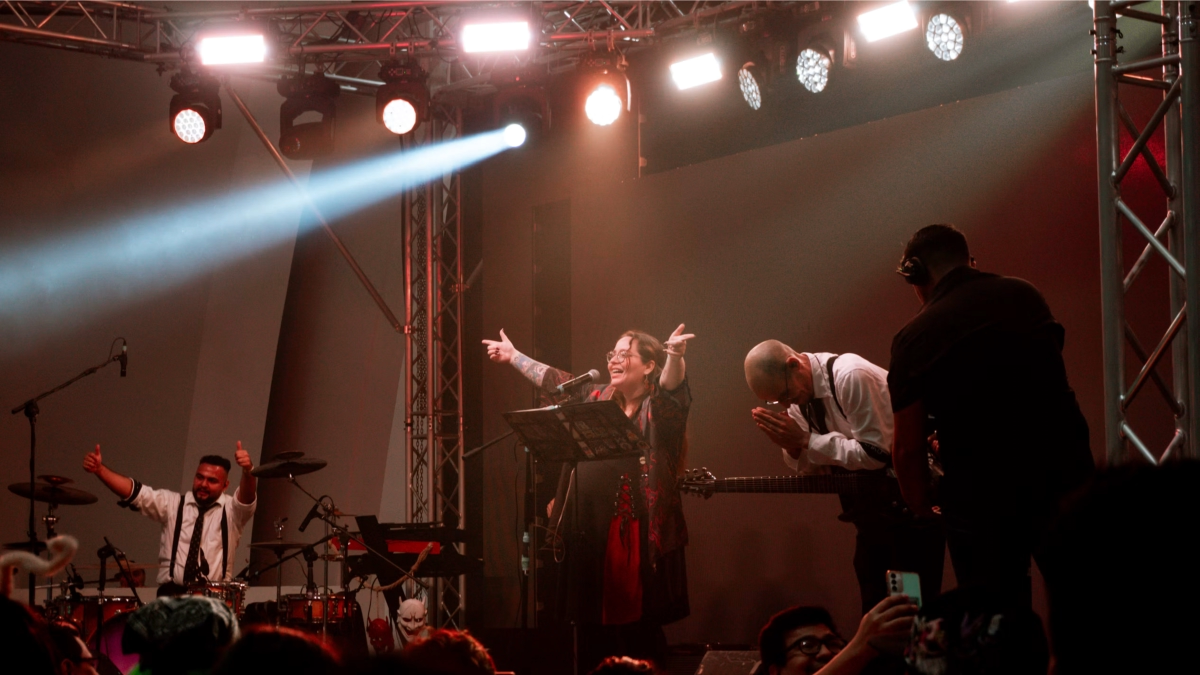
Does the audience have a right to know whether the vocals and instruments they're hearing are being performed live?
Not really, but I think they deserve an accurate description of the show.
That doesn't mean every performer needs to announce every effect, sample, or prerecorded sound that’s being produced. Most audiences get that already.
But there's a huge difference between a singer using a backing track and a show being advertised as a live band when there isn't one.
The Demo Might Open the Door. The Performance Keeps It Open.
I don't believe AI-generated music is going away anytime soon.
And I don't think every artist using AI should be treated as though they're trying to fool somebody.
There are musicians who use it responsibly. Some create interesting new kinds of performances too.
If you're a songwriter using AI to create recordings but you don't perform live, there's nothing wrong with saying so.
If you're an AI-assisted artist who puts on a great live show, fantastic! Show me what you do.
That's where musicians, booking agents, and venue owners need to be clear about expectations.
And if you're sending a demo to a club owner or agent, make sure that person understands exactly what they're getting.
A demo might get you booked for Saturday night. But what happens onstage determines whether you're coming back or not.
And as far as I'm concerned, that part hasn't changed one bit.
Scott Price is a musician, independent music promoter, and founder of Scott Price Media. His experience includes years of live performance, music production, and working with independent recording artists.
Reporting and references
- Isabella Michie, ABC News Australia, July 3, 2026: Social media backlash after live music venue includes AI act in emerging artist showcase
- Tyler Jenke, The Music, July 3, 2026: Music Services Agency Good Intent Responds Following AI Artist Booking Controversy
The Australian incident is based on published reporting, not interviews conducted by Scott Price Media. The bar-owner scenarios are illustrative.