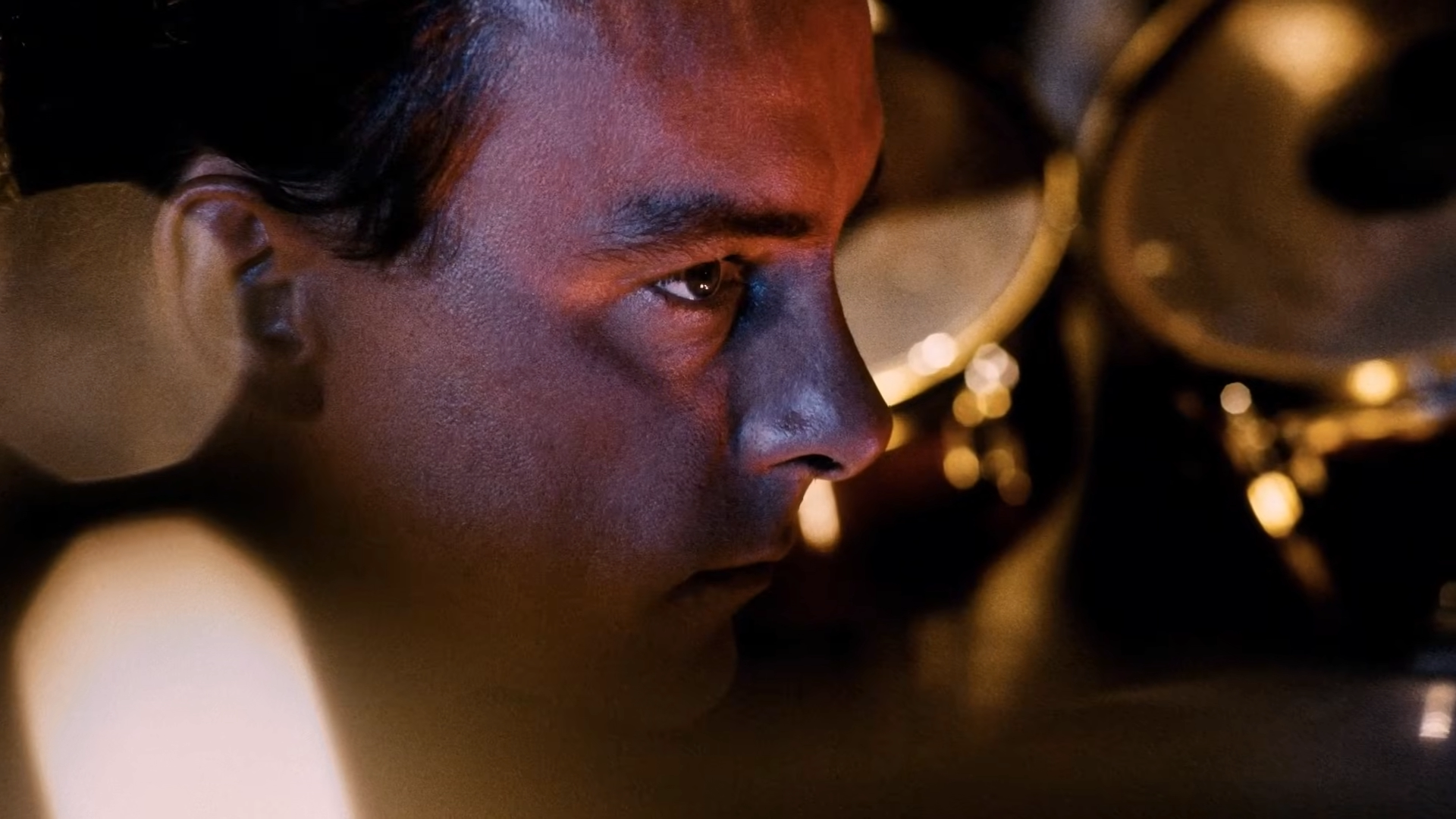
Growing up and playing the drums, Neil Peart was my mentor through his music. I listened to almost everything he did and practiced my butt off trying to get it right. I wanted to understand those parts well enough to play them almost like him.
Watching Neil Peart: No One’s Disciple brought those memories back. I found the documentary riveting, with plenty of happy moments and some very sad ones, especially toward the end. It gave me a chance to think about what Neil meant to me as a drummer, a writer, and someone whose work became part of my life.
When he died, I felt a bit incomplete.
That is still the best way I can describe it. Someone whose playing had occupied so many hours of my attention was gone. The recordings were still there, but knowing he would never sit down to create another drum part was difficult to take in.
Learning to listen like a drummer
Neil had a signature sound and style. When he played, you knew it was him. His passion came through in the force of his playing, the detail in his arrangements, and the way a part could develop as the song moved forward.
The documentary spends time on that craftsmanship. Musicians discuss the thought behind his parts and how closely his drumming worked with the vocals. That helps explain why learning his music demanded so much attention. A passage might sound familiar until a small variation reminded you that there was more to learn.
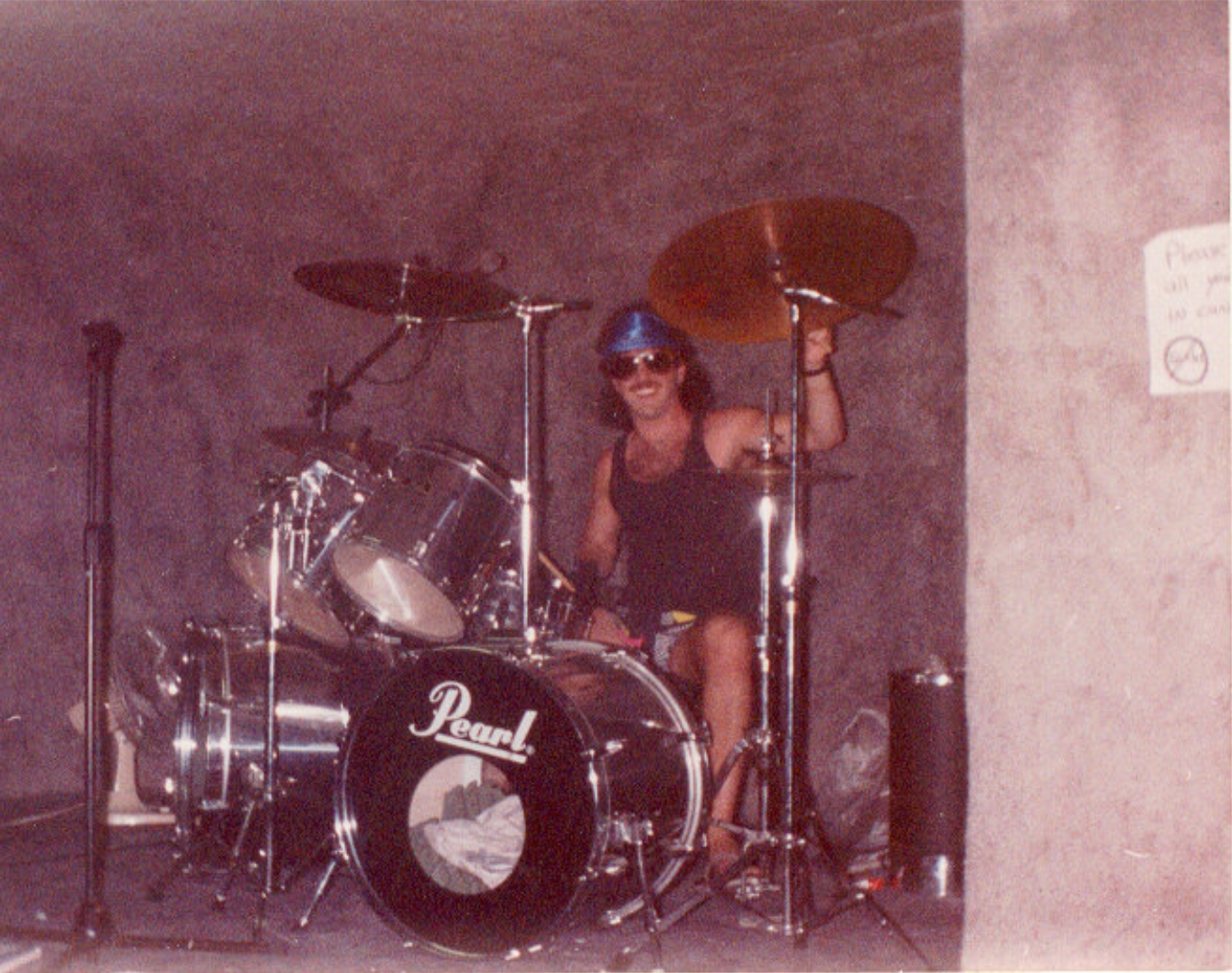
I practiced because I wanted to get it perfect. Looking back, the effort itself was part of what he gave me. Listening closely, trying again, and caring about the details became part of the experience of playing his music.
One of the film’s most revealing discussions concerns his studies with Freddie Gruber. After achieving so much, Neil was still willing to reconsider his technique and learn from another teacher. There is something encouraging about that. The musician so many of us studied was still studying, too.
The thinker behind the drums
I connected with Neil’s lyrics as much as his playing. He was a deep thinker, and I recognized something of my own curiosity in the subjects he explored.
In the documentary, he recalls going to England with the belief that becoming good at his craft would lead to success. Experience complicated that belief. What stayed with him was the importance of playing music he cared about.
That context matters to me. I admire the determination behind his ambition, but I also appreciate that he could look back and acknowledge how much he still had to learn about the world.
His writing often makes me feel that he was thinking far ahead. I hear songs differently as time passes. Questions about purpose, change, and the limits of our abilities can become more immediate when life gives us new reasons to consider them.
Hearing “Losing It” differently
The passage about “Losing It” stayed with me. I relate to the difficulty of wanting to do something with the same ability and confidence you once had, while realizing that those abilities can change.
The film places that question alongside the physical demands of Neil’s performances and his determination to maintain his standards. It also includes reflections from people close to him about how difficult it would have been for him to feel those standards slipping.
I understand why that weighed on him. When you care deeply about your work, deciding when to step away can be painful. Watching that section, I felt the sadness of losing the chance to see him perform again, along with respect for his decision.
The account of his final concert brought that home. Rush’s last show with Neil took place on August 1, 2015, at the Forum in Los Angeles. In the documentary, a bandmate recalls Neil leaving his drums to join the others at the front of the stage, describing it as an extraordinary gesture that made the ending feel real.
Watching that moment with the knowledge we have now makes it especially moving.
The kindness people remembered
Some of the moments I appreciated most were the stories other musicians told about meeting him. They remembered feeling intimidated, then being put at ease by his interest in their own playing.
Imagine preparing to meet someone you have admired for years and discovering that he has been listening to your work, too. Coming from Neil, that recognition must have meant a great deal.
Those recollections give substance to the kindness his friends describe. The film also makes room for his humor, his wide interests, and the friendships that existed away from the stage. I appreciated seeing those parts of him alongside the intense concentration we associate with his performances.
Finding his way back
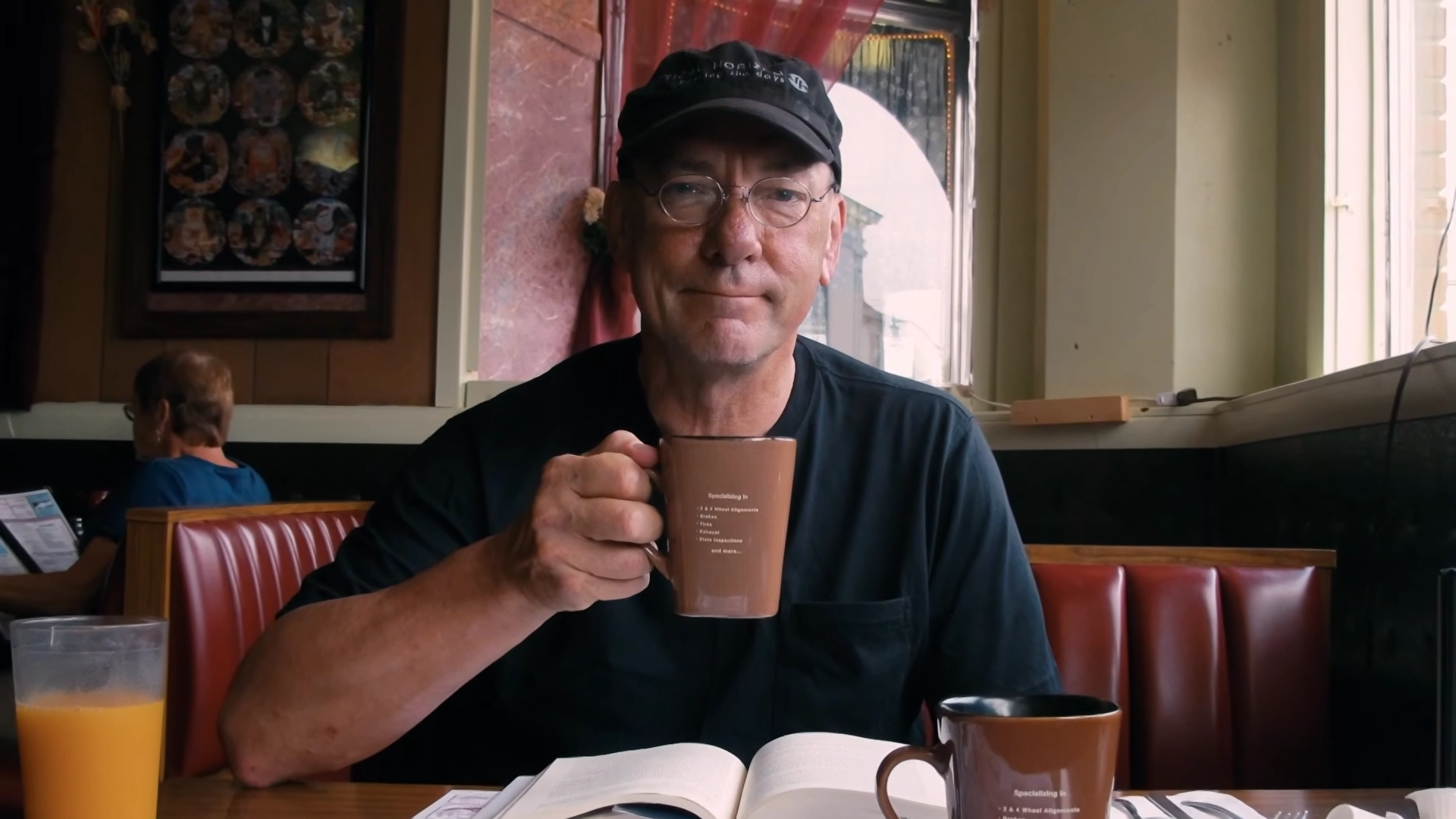
Neil’s life included devastating loss. His daughter, Selena, and his wife, Jackie, died within ten months of each other. His subsequent 55,000-mile motorcycle journey became the subject of Ghost Rider: Travels on the Healing Road.
What moves me is the effort involved in finding a way forward. The documentary describes travel, writing, friendship, and the stability he eventually found as parts of that process. His return to music feels all the more significant in that context.
I admire the courage it took to reach a point where he wanted to work again. Grief did not become a simple chapter he could close, but there was room in his life for creativity and connection again.
The music continues
The documentary’s closing discussion of Geddy Lee and Alex Lifeson playing together again gives the story a hopeful turn. Their return with Anika Nilles offers another opportunity for people to experience this music live. Rush has described the tour as a celebration of its music and Neil’s life and legacy.
I see a connection here with the questions his writing continues to raise for me: what happens when a familiar part of life ends, and how do we approach what follows? That is my reading of the music, shaped by what it has meant to me over the years.
Neil’s absence remains profound. But so does his influence. It is there in the care musicians bring to his parts, in listeners discovering his words, and in people like me who spent hours trying to understand what he was doing behind that drum kit.
I will always miss Neil Peart. Watching No One’s Disciple reminded me how much I learned from him, and how much of that learning I still carry.