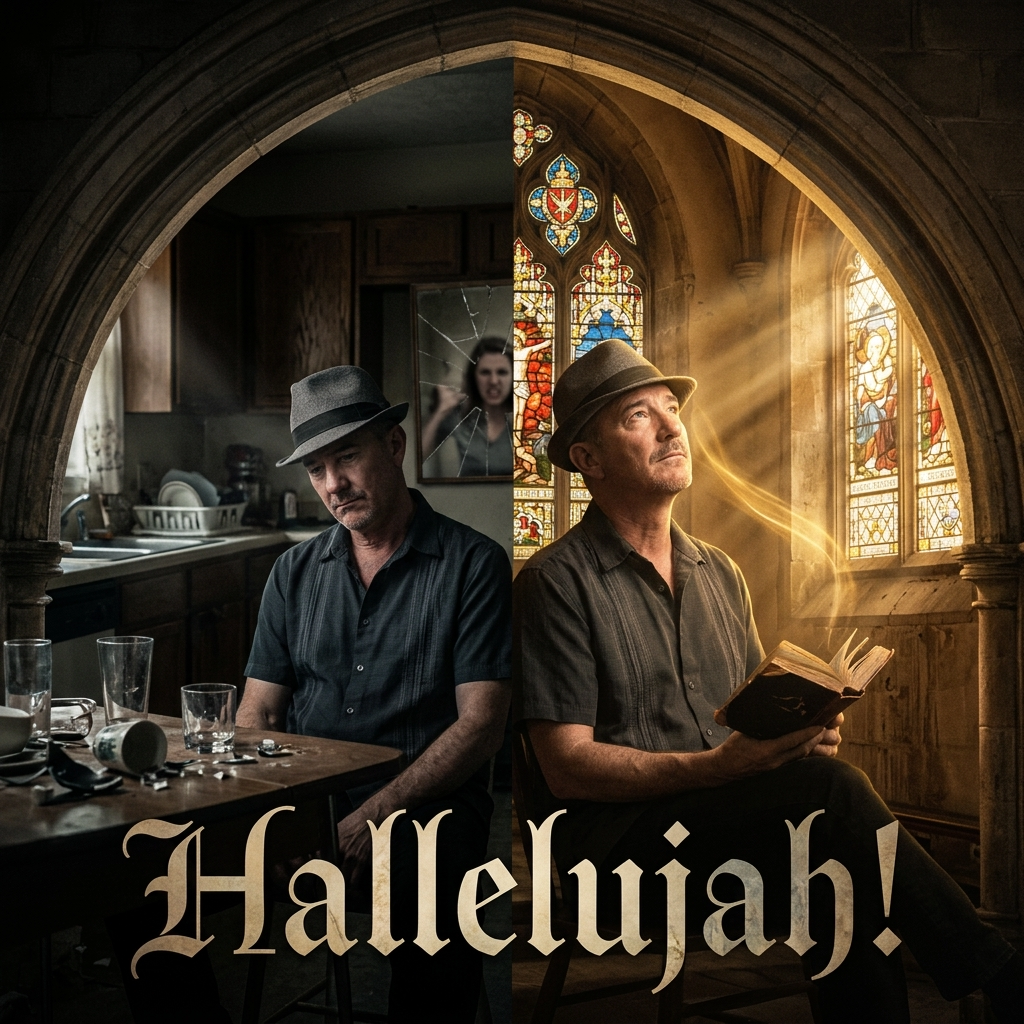
Song Analysis
Thesis: From the Throne to the Kitchen Chair, Praise After the Fall
Leonard Cohen’s “Hallelujah” places a word of praise in the mouths of people who have lost their certainty. A king understands music but remains baffled. A figure of strength is restrained in a kitchen. A narrator admits that his best efforts have fallen short and still prepares to sing. The song asks whether an expression associated with devotion can also carry desire, humiliation, doubt, and the stubborn wish to remain truthful.
The movement from throne to kitchen chair offers a way into that question. Public power gives way to private vulnerability, and the language of scripture enters an ordinary room. This reading follows that movement through the four verses of Cohen’s original studio recording: the sacred and the everyday meet in a voice that keeps singing after its authority has been shaken.
“Hallelujah” appeared on Various Positions, released in 1984. The additional verses supplied in the lyrics panel are discussed separately below. They widen the song’s possibilities, but they do not form part of that original four-verse studio performance. Official album information
1. The Secret Chord and the Baffled Musician
The opening imagines a sound capable of pleasing God. A secret chord promises access to something beyond ordinary knowledge, as though music might unlock a door that speech cannot open. David’s name brings the authority of a biblical musician and king into the scene. Yet the verse soon introduces someone who apparently has little interest in music. An elevated story suddenly has to contend with a distracted or resistant listener.
That conversational interruption matters. The singer may know a beautiful story, but knowing it does not guarantee that another person will care. A musician’s familiar difficulty appears inside the religious imagery: how do you communicate an experience to someone who does not share your attachment to it? The gentle challenge can sound teasing, wounded, or exasperated. Its tone prevents the verse from becoming a distant sermon.
Then Cohen makes musical craft part of the lyric. The numbered chords describe relationships within a key, while the changes between minor and major give those relationships expressive weight. The words let us hear music as both something constructed and something felt. Minor harmony can suggest shadow and major harmony can suggest release, though neither has a single emotional meaning in every setting.
The king remains baffled even while composing. Musical knowledge has brought him to the act of creation without removing his bewilderment. That is the first crack in the image of mastery: a person can make something moving without fully understanding the longing that makes it necessary.
2. Desire Unseats the Hero
The second verse begins with a tension between faith and the demand for proof. Belief sounds secure until it needs confirmation. The roof and the bathing woman recall David and Bathsheba; the haircut brings Samson and Delilah into the same verse. Cohen compresses different biblical stories into one experience of being overcome.
These references need care. David’s story includes his own abuse of royal power, and Samson’s strength belongs to a larger religious narrative. Reducing either story to a dangerous woman defeating an innocent man would erase that complexity. The lyric borrows their recognizable images to dramatize a loss of command. It does not require us to excuse the men whose authority is unsettled.
The overthrow metaphor makes desire feel powerful enough to topple a government. Beauty enters the language of political defeat. A private encounter acquires the force of a revolution, suggesting how completely another person can disturb someone’s confidence in who they are.
3. The Domesticated Hero: A Throne Becomes a Kitchen Chair
The kitchen chair is the verse’s most startling change of scale. A throne displays power to the world. A kitchen chair belongs to meals, conversation, routine, and the spaces people inhabit when their public performance is over. Moving between them brings the heroic figure down to the level of an ordinary body in an ordinary home.
Being tied to that chair can suggest captivity, erotic surrender, or emotional dependence. The song leaves the scene open enough to hold those possibilities together. We need not invent a literal domestic argument to recognize the vulnerability. Someone accustomed to command now occupies a position from which command is impossible.
The broken throne and the cut hair remove two different signs of strength. Status and physical power prove unable to protect the person underneath them. The domestic setting makes that exposure intimate: a title may impress the outside world and offer little protection inside a relationship.
Finally, the other person draws praise from the captive’s lips. That action complicates the word itself. The utterance may carry pleasure, defeat, astonishment, or several feelings at once. It is no longer possible to assume that singing praise means the singer has won.
4. Who Gets to Decide Which Praise Counts?
The third verse turns from the intimate scene toward an accusation about using a sacred name improperly. The narrator answers with uncertainty and a sharp question about the accuser’s authority. His tone remains conversational, even argumentative. The song allows irreverence to exist within its religious vocabulary.
The image of light inside every word then changes the terms of that dispute. Light can suggest revelation, insight, or a presence that exceeds the speaker’s intentions. Placing it inside language makes even imperfect expression a possible carrier of meaning. Words uttered in distress may contain something the person judging them has failed to hear.
The verse explicitly places holy and broken expressions beside each other. That pairing gives the thesis its strongest support. The lyric makes room for praise shaped by failure without requiring us to rank suffering above devotion. Brokenness does not automatically make someone wiser, and religious confidence does not automatically make someone insincere.
Instead, the song questions the boundary that would admit one voice and exclude the other. If light can inhabit both kinds of utterance, the wounded speaker does not have to wait for a flawless life before speaking.
5. Standing Before the Lord of Song
The final studio verse gives up the protective distance of biblical figures. The narrator assesses his own effort and finds it inadequate. There is no grand claim that the experience has made everything worthwhile. He admits a gap between what he hoped to give and what he managed to offer.
His attempt to reach feeling through touch can be heard as a search for connection through the body when emotional certainty has failed. It also acknowledges a limitation: contact cannot simply be commanded to become intimacy. The line holds effort and insufficiency together without settling the whole history of the relationship.
The figure who awaits him is the Lord of Song. That title joins religious judgment with the demands of artistic honesty. The narrator imagines answering for himself through the very practice that has accompanied his confusion. He can offer neither a successful romance nor a clean explanation, but he insists that he has tried to speak truthfully.
What remains on his tongue is still a word, still something sung. This ending is an act of expression rather than silence. It can be heard as endurance, surrender, devotion, or an acceptance that experience will never become fully understandable. The song’s strength lies in allowing that final act without pretending that all its conflicts have been resolved.
6. The Studio Sound: An Individual Voice Inside a Larger Space
The original recording gives this intimate argument a spacious setting. Engineer Leanne Ungar recalled using Synclavier samples to help evoke a church and a choir. She also remembered Cohen repeatedly requesting more vocal reverb. These are documented production choices, distinct from our interpretation of what their effect might mean. Ungar’s Recording Academy interview
That sense of space gives the individual confession a public dimension. The singer’s uncertainties seem large enough to enter a room shared with other voices. The returning refrain provides continuity as each verse changes the emotional circumstances around it. A familiar word can sound different after desire, accusation, or an admission of failure.
Producer John Lissauer described aiming for a humble community-choir character and using restraint even as the arrangement grew. Richard Crooks played with brushes, and Lissauer recalled building a synthesizer bass part. Those details caution against imagining the record as either a bare solo performance or an unrestrained gospel spectacle. Lissauer’s recollections in Alan Light’s book excerpt
7. The Additional Verses: Love Without a Victory Parade
The supplied additional verses extend the relationship imagery beyond the original studio sequence. A familiar room and floor suggest emotional territory the speaker has occupied before. Recognition carries fatigue as well as intimacy: knowing the room does not mean knowing how to avoid the hurt associated with it.
A flag and a marble arch turn romance into a scene of conquest and commemoration. Against those grand images, the rejection of love as a triumphant march questions the habit of treating intimacy as a competition with a winner. The colder refrain permits an acknowledgment that offers little comfort.
The dove brings sacred imagery into sexual closeness. The movement of breath makes devotion bodily and immediate. In another verse, the image of drawing and firing a weapon turns the lovers toward defensive violence. Vulnerability can become an exchange of injuries when each person anticipates being hurt first.
These verses deepen the song’s range without supplying one definitive explanation. Their intimacy and bitterness belong beside the original verses as further variations, with their different recording history kept visible.
Conclusion: The Voice That Remains
From the baffled king to the ordinary kitchen, “Hallelujah” steadily tests the things people rely on to make themselves secure. Talent does not eliminate confusion. Strength does not prevent exposure. Faith can encounter doubt, and honest effort can fall short.
The final singer has little authority left to display. He still has a voice. Heard through the meeting of sacred language and ordinary vulnerability, his continuing song suggests that praise may hold disappointment as well as gratitude. The listener is left to hear what that word contains, and how much a person can carry inside it.
Analysis from the Scott Price Media 'Picture Lyrics' Series
Metaphorical readings are interpretations of the supplied lyrics, not claims of a single confirmed authorial intention. Recording details are linked to the accounts above. The featured audio and recording credits refer to the original 1984 studio track.
Original studio recording: Various Positions (1984). These credits describe the original studio track. The Casio keyboard is part of the album’s writing and production history; Cohen’s track-level credit here follows the label’s vocals and guitar listing.
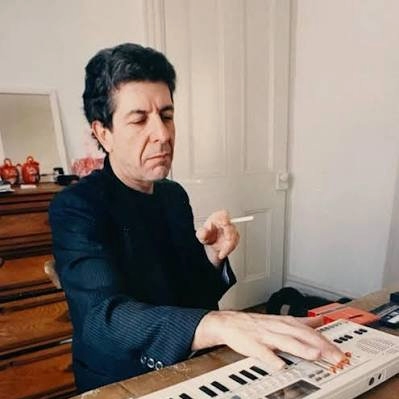
Leonard Cohen
Songwriter, lead vocals, guitarEngineer Leanne Ungar recalled that Cohen kept asking for more vocal reverb because he wanted an enormous, almost divine presence. Her amused recollection gives the solemn recording a very human studio moment. Studio recollection
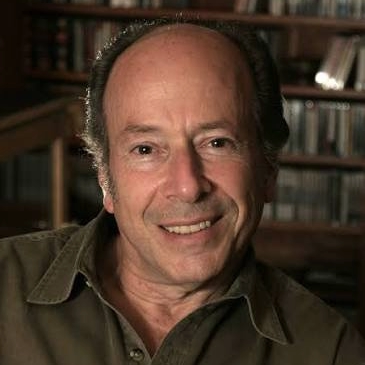
John Lissauer
Producer, arranger, piano, keyboards, backing vocalsLissauer remembered bringing the band and others together for a humble community-choir effect. His goal was sincerity and restraint, rather than a polished show of vocal power. Producer’s recollection
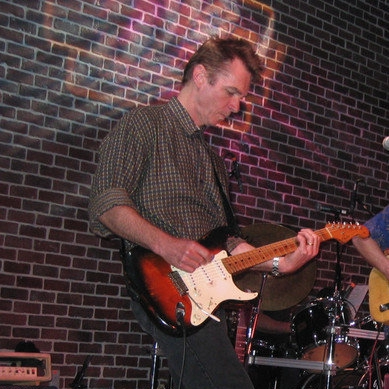
Sid McGinnis
GuitarThe label’s track credits identify McGinnis as a guitarist on this recording. A song-specific personal anecdote has not been verified; this is a recording credit rather than a quotation. Label-supplied credits
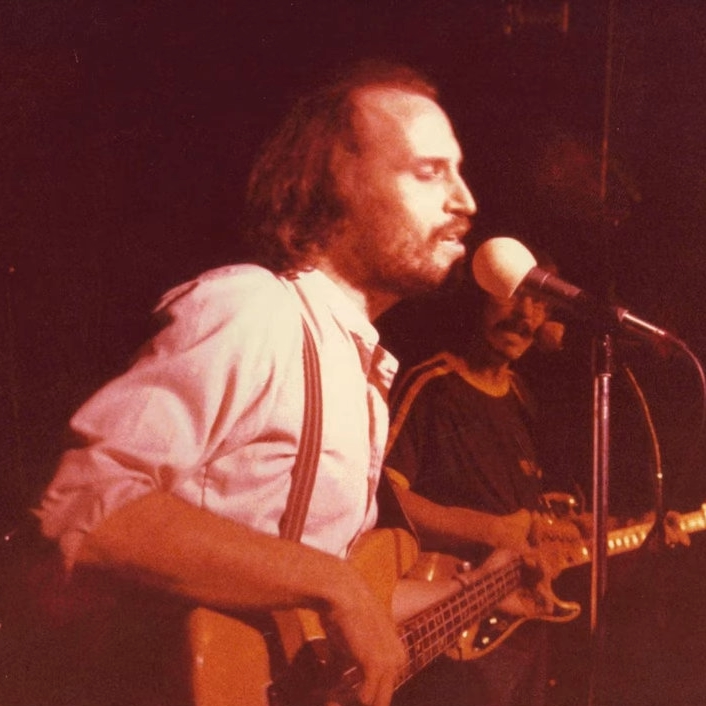
John Crowder
Bass, backing vocalsThe label credits Crowder with bass and background vocals. Lissauer separately described a synthesizer bass part, so the general bass credit should not be read as proof that every low note is bass guitar. Label-supplied credits
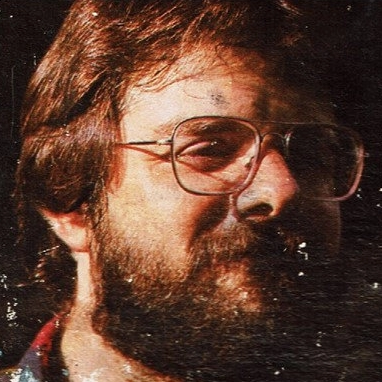
Richard Crooks
DrumsLissauer recalled Crooks playing with brushes, helping the recording gain strength without a heavy attack. This is the producer’s account of the drummer’s contribution. Producer’s recollection
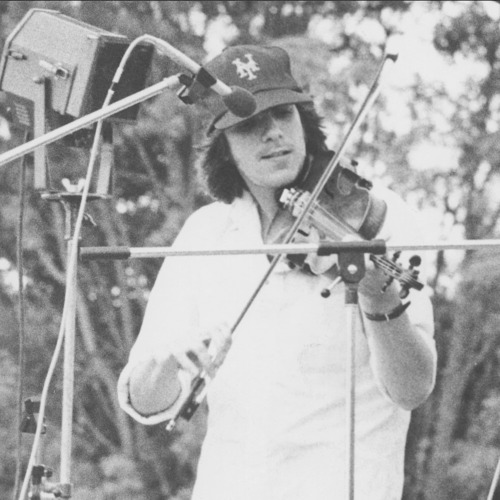
Kenneth Kosek
FiddleKosek is named on fiddle in the label-supplied track credits. No verified song-specific personal anecdote was located. Label-supplied credits
Additional Vocals
Jennifer Warnes (vocals); Erin Dickins, Chrissy Faith, Ron Getman, Lani Groves, Anjani Thomas, Merle Miller, and Yvonne Lewis (backing vocals).
Label-supplied recording credits. Chrissy Faith is listed as Crissie Faith in the digital credits. Ron Getman also receives a harmonica credit.Hallelujah
Leonard Cohen - "Various Positions" 1984[Verse 1]
Now I've heard there was a secret chord
That David played and it pleased the Lord
But you don't really care for music, do ya?
It goes like this, the fourth, the fifth
The minor fall, the major lift
The baffled king composing "Hallelujah"
[Chorus]
Hallelujah, Hallelujah
Hallelujah, Hallelujah
[Verse 2]
Your faith was strong, but you needed proof
You saw her bathing on the roof
Her beauty and the moonlight overthrew ya
She tied you to a kitchen chair
She broke your throne and she cut your hair
And from your lips she drew the Hallelujah
[Chorus]
Hallelujah, Hallelujah
Hallelujah, Hallelujah
[Verse 3]
You say I took the name in vain
I don't even know the name
But if I did, well, really, what's it to ya?
There's a blaze of light in every word
It doesn't matter which you heard
The holy or the broken Hallelujah
[Chorus]
Hallelujah, Hallelujah
Hallelujah, Hallelujah
[Verse 4]
I did my best, it wasn't much
I couldn't feel, so I tried to touch
I've told the truth, I didn't come to fool ya
And even though it all went wrong
I'll stand before the Lord of song
With nothing on my tongue but hallelujah
[Chorus]
Hallelujah, Hallelujah
Hallelujah, Hallelujah
Hallelujah, Hallelujah
Hallelujah, Hallelujah
Hallelujah, Hallelujah
Hallelujah, Hallelujah
Hallelujah, Hallelujah
Hallelujah, Hallelujah
Hallelujah, Hallelujah
[Outro]
Hallelujah, Hallelujah
The following additional verses are supplied for comparison and are not part of the 1984 four-verse studio recording.
[Additional Lyrics]
Baby, I've been here before
I know this room, I've walked this floor
I used to live alone before I knew ya
And I've seen your flag on the marble arch
Love is not a victory march
It's a cold and it's a broken Hallelujah
[Additional Lyrics]
There was a time you let me know
What's really going on below
But now you never show it to me, do ya?
And remember when I moved in you
The holy dove was moving too
And every breath we drew was Hallelujah
[Additional Lyrics]
Maybe there's a God above
But all I've ever learned from love
Was how to shoot at someone who outdrew ya
And it's not a cry that you hear at night
It's not somebody who's seen the light
It's a cold and it's a broken Hallelujah