Song Analysis
Thesis: A Crown Built on Other People’s Losses
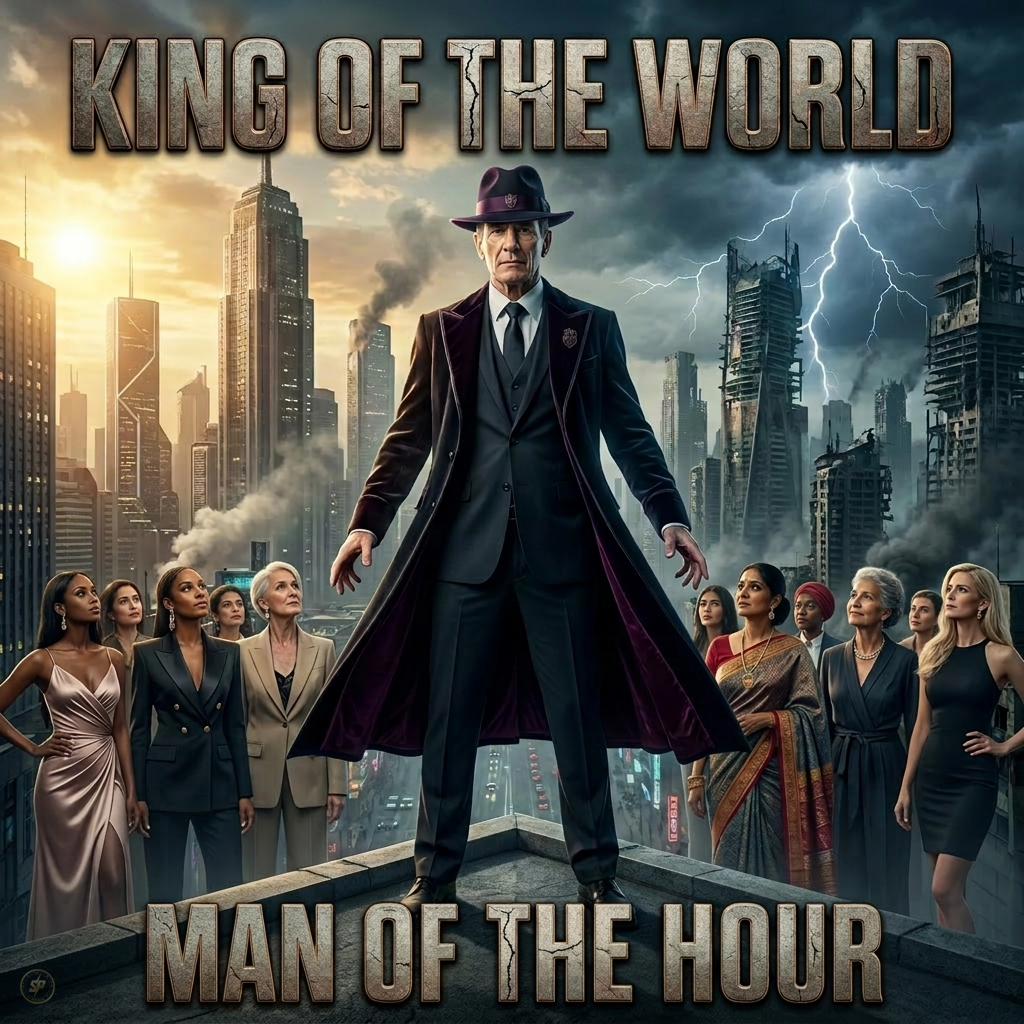
“King of the World” turns the language of success into evidence against the person claiming it. Its executive remembers wealth, status, and the climb to the top; the surrounding voices reveal deception, predatory competition, and workers struggling to survive. The central argument is that a system can reward someone extravagantly while failing the people who sustain it. The title sounds triumphant until the listener notices that the king speaks in the past tense.
The song appears on Toto’s 2006 album Falling in Between. David Paich’s explanation in the album notes, reproduced by Something Else!, identifies the Enron collapse as its subject and describes three perspectives: an observer, an ordinary employee, and a senior executive. That context matters because the changing first-person statements need not describe one person. The following close reading examines how those perspectives expose different meanings of success.
1. Smoke, Mirrors, and a Structure That Cannot Stand
The opening joins two familiar images of fraud and instability: “Smoke and mirrors” and a “house of cards.” The first concerns perception: something has been arranged to mislead the viewer. The second concerns construction: the thing being admired cannot support itself. Together they suggest that the impressive public appearance and the underlying weakness belong to the same enterprise.
The windows and cigars extend that display of prestige. The cigar is an easily recognized emblem of executive comfort; the windows can suggest the visible privileges of an office hierarchy. Yet the song immediately moves from these signs of civilization to the “law of the jungle.” Beneath the polished surface, power depends on appetite rather than responsibility.
The accusation that the animals “eat their young” makes the metaphor especially harsh. An organization that should develop and protect its people instead consumes its own future. This is stronger than saying that business is competitive: the lyric presents exploitation within the group itself.
2. Three Voices, Unequal Consequences
The verses survey the scene, the pre-choruses bring the listener down to the worker’s daily life, and the choruses enlarge the executive’s self-image. Anthony Sonego’s account assigns those perspectives to Paich, Steve Lukather, and Bobby Kimball respectively. Lukather’s official album credits independently confirm that all three sing lead on this track.
This division gives the repeated word “I” an important dramatic function. When the worker remembers a nine-to-five job, survival is the measure of achievement. When the executive remembers being king, achievement means superiority. The two voices occupy the same system but do not receive the same rewards or bear the same losses.
The worker’s later attempt to make ends meet ends with “My life is over.” Read alongside the executive’s grand recollections, this is the song’s sharpest change in scale: one person loses an elevated position, while another experiences the collapse as a threat to an entire way of living. The lyric does not need to itemize lost wages or savings to establish that imbalance.
3. The King’s Defense Is Still About Himself
The first chorus introduces a ruler under judgment. Its reference to a judge and jury places his former supremacy beside the possibility of accountability. But his language emphasizes what has been hurled at him. He describes himself as the target of attack rather than naming anyone harmed by his actions.
That makes the chorus open to a skeptical reading: the executive may be presenting consequences as persecution. This is an interpretation of his rhetoric, rather than a claim that the song reproduces a particular executive’s testimony. The text gives us a self-dramatizing speaker, not a detailed courtroom record.
The later choruses move from what others throw at him to what he once possessed. His claim to have owned women extends the same acquisitive attitude from business to relationships. People become another category of property. The line helps characterize his entitlement; treating it as the song’s own endorsement would erase the critical frame supplied by the other voices.
4. Climbing the Tower by the Rules of the Jungle
The tower gives ambition a physical shape. It is vertical, so success can be measured by how far above others a person stands. The verbs “claw and scratch” connect that upward movement to the earlier animal imagery. The executive reaches a sophisticated corporate destination through behavior the song has already described as predatory.
This connection prevents the chorus from functioning as a straightforward motivational anthem. Determination alone is not the problem; the problem is an ambition whose methods and rewards disregard other people. The speaker’s energetic account of his ascent can sound impressive while simultaneously revealing the values that make him dangerous.
There is also a structural irony between the tower and the house of cards. One image promises height and permanence; the other announces fragility. Read together, they suggest that reaching the top offers no security when the entire structure depends on deception.
5. Bad Apples and a Wider Culture of Greed
The second verse piles disorder on top of dishonesty: “Helter skelter,” thieves, errors, greed, and blackouts. Its compressed sequence makes corruption feel like an environment rather than a single isolated act. The image of a greedy man weaving errors suggests that wrongdoing spreads through connections and decisions, with consequences beyond its originator.
The bad-apples proverb introduces a tension between individual blame and collective damage. A few people can contaminate a larger organization, but that does not make the damage small. In this reading, the song recognizes identifiable wrongdoers while refusing to confine the effects of their behavior to those wrongdoers.
The blackout reference also moves the argument outside the office. Against the documented Enron setting, it invites a connection to the public consequences of energy-business misconduct. The lyric remains compressed and allusive, however; it should not be treated as a complete explanation of an energy crisis or a factual account of a specific incident.
6. Why the Refrain Never Restores the Crown
The movement between voices is itself a musical storytelling device: the recording gives its competing perspectives distinct singers rather than asking one narrator to explain every position. This lets the executive’s refrain return after the worker’s distress without resolving their conflict. The listener must hold both versions of the world in mind.
The supplied lyrics end by repeating the former title. There is no apology, restitution, or new understanding in those final words. Repetition can therefore suggest a man trapped in his own account of greatness, still measuring the disaster by the height from which he fell.
The decisive word is “was.” Even when the chorus reasserts status, its grammar keeps that status out of reach. The claim to power survives as a memory, while the song has already exposed the cost of building a life around it.
Conclusion: Who Pays for Someone Else’s Greatness?
“King of the World” gains its force from placing an executive’s self-portrait beside the lives it excludes. The observer names the rot, the worker expresses the insecurity, and the executive supplies the language of conquest and possession. Their contrast makes the title an accusation as much as a recollection.
The song’s broader question is whether success can mean very much when its beneficiaries treat everyone else as expendable. Its fallen king remembers the crown. The structure of the song asks the listener to remember the people beneath the tower.
Analysis from the Scott Price Media 'Picture Lyrics' Series
Research: Steve Lukather’s official album credits; Anthony Sonego’s account quoting the album notes. Interpretive arguments are based on the lyrics supplied for this page.

Bobby Kimball
Lead and backing vocalsWhen an interviewer called Bobby the principal writer of this song, he immediately corrected him: “It just ain’t so Andrew.” Bobby said he contributed lyrics but gave David Paich the main creative credit. A memorable case of the singer handing the spotlight straight back to a bandmate. Source

David Paich
Keyboards and vocalsIn the album notes, Paich explained that the song had earlier working titles drawn from its images of thieves and deception. He described its Enron story through three characters: the public observer, the ordinary employee, and the senior executive. The final title gives that fallen executive the headline. (Album notes quoted by Something Else!) Source

Steve Lukather
Guitars and vocalsLukather recalled that the track was nearly left off the album. The band handed it to Steve Porcaro, whose radical editing transformed it. Luke considered the change substantial enough to warrant a songwriting credit: a song nearly discarded became one worth rescuing. (Album notes and interview excerpts reproduced by Something Else!) Source
Mike Porcaro
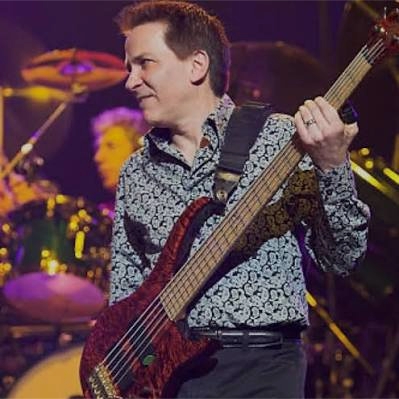
BassA bandmate’s recollection: discussing this song’s authorship, Bobby Kimball described a collaborative process in which members reshaped one another’s beginnings, endings, and lyrics. Mike shares the songwriting credit. This is Bobby’s account of the group’s work; a song-specific personal remark from Mike has not been located. Source
Simon Phillips
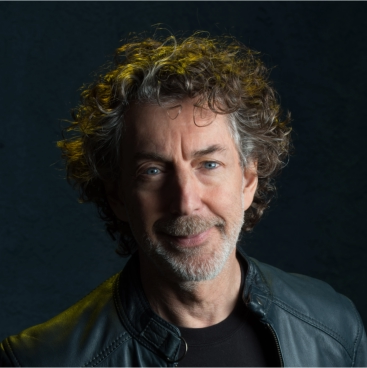
DrumsAsked about material left off the album, Simon confirmed that an extra section of this song had been removed—and approved the decision with a laugh: “for good reason - ha ha!” Sometimes the most memorable production choice is knowing which part to leave on the cutting-room floor. Source

Steve Porcaro
KeyboardsSteve modestly described his rescue of the track as removing sections he felt were excessive and tightening the sequence in Pro Tools. While Lukather heard a near-rewrite, Steve treated it as practical editing—and said the band loved the result. (Toto99 interview excerpts reproduced by Something Else!) Source
King of the World
Toto - "Falling in Between" 2006[Verse 1]
Smoke and mirrors, it's a house of cards
Everybody has windows and big cigars
The law of the jungle is very new to some
The animals are vicious and arrogant, and they eat their young
[Pre-Chorus 1]
I used to work my job from 9 to 5
I just survived
[Chorus 1]
I was the king of the world
I had everything thrown at me
That the judge and jury could hurl
I was the man of the hour
I would claw and scratch my way up
To the very top of the tower
[Verse 2]
Helter skelter, it's a den of thieves
A sea of errors that a greedy man weaves
A few really bad apples always spoil the lot
Rollin' blackouts, on everyone's buck
[Pre-Chorus 2]
I go to work, I try to make ends meet
My life is over
[Chorus 2]
I was the king of the world
I had everything I needed
I owned every type of girl
I was the man of the hour
I would claw and scratch my way up
To the very top of the tower
[Chorus 3/Outro]
I was the king of the world
I had everything I needed
I owned every type of girl
I was the man of the hour
I would claw and scratch my way up
To the very top of the tower
I was the king of the world...
I was the king of the world...