Song Analysis
Thesis: What It Takes to Break a Rusty Cage
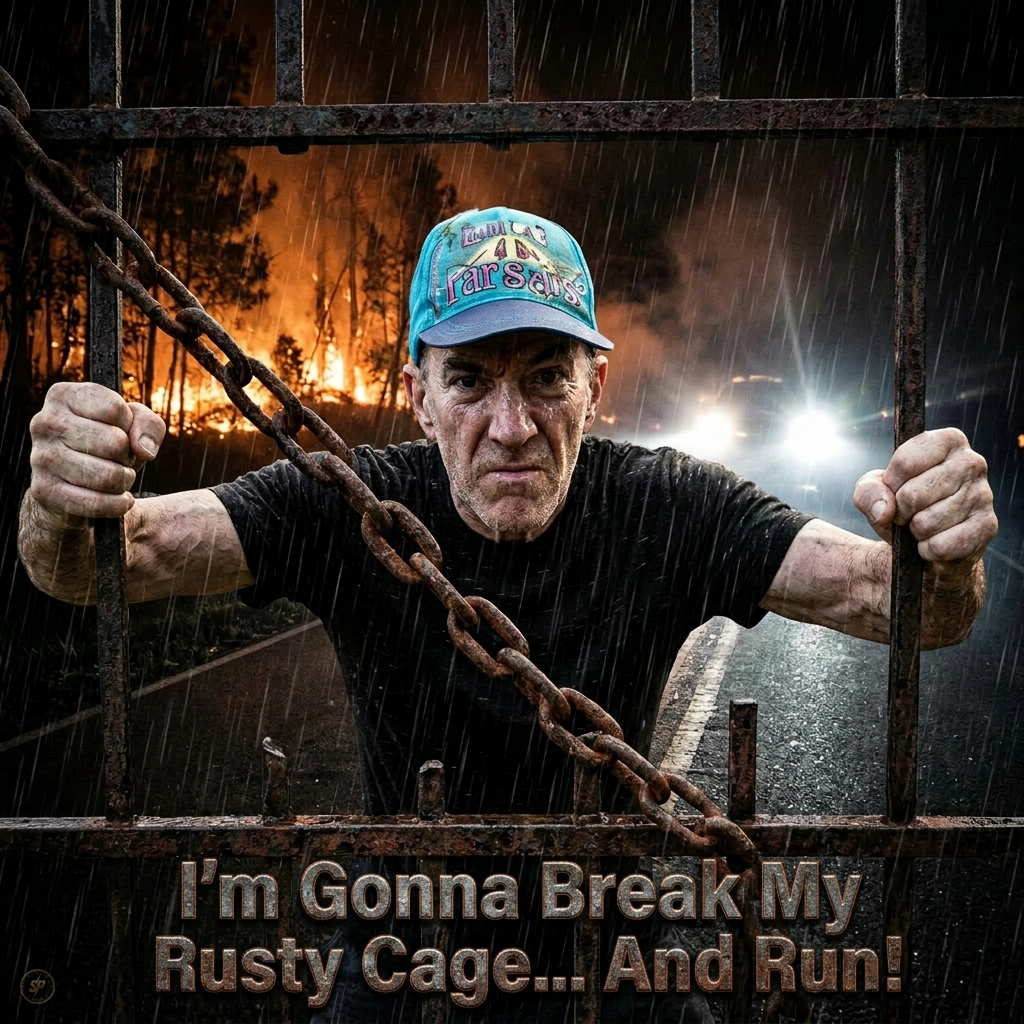
In Soundgarden’s “Rusty Cage,” escape starts with a change in who gets to act. In the first verse, someone else controls when the narrator wakes, where he can go, and how far he can be pushed. The chorus gives the narrator the first decisive action of his own. He is going to break the cage and run. The rest of the song makes us hear the effort that promise will take.
Chris Cornell recalled composing the lyrics in his head while looking out the window of a tour van in Europe. He came up with the guitar riff separately in Seattle. That recollection helps explain where the road imagery entered the writing. The meaning of the cage remains open to the listener. Cornell’s A.V. Club interview
1. The Chain Makes Control Physical
The opening puts the narrator on the receiving end of a series of actions. Someone wires him awake, strikes him, and pulls his chain. A lead and chain are used to restrain an animal. Applied to a person, they give us a way to picture someone whose movements and reactions are being managed by somebody else.
Pulling someone’s chain can also mean provoking them. The next line makes that reading especially apt. Whoever is pulling wants to watch the narrator’s blood boil. Anger becomes a response the other person knows how to produce and wants to see. The verse makes control feel personal because the provocateur seems interested in the reaction as much as the restraint.
2. Why the Cage Is Rusty
The cage metaphor gives all that pressure a shape. Rust adds two things at once. It suggests the enclosure has been there long enough to weather, and it suggests that the metal may be vulnerable. What has kept the narrator in for so long might finally give way.
Listen to how the chorus gets to that thought. Cornell repeats the beginning of the promise and leaves it hanging before completing the phrase. That interruption creates a short delay between intention and action. By the time he reaches “run,” we have heard the line work through the same resistance more than once.
The chorus remains in the future tense. Its force comes from the decision to leave, while the lyrics leave the actual escape unresolved. That distinction matters when the song comes back to the same promise in its final moments.
3. The Road Offers Movement and Its Own Danger
The second verse opens in bitter cold, then moves into diesel, a river, and a pack of dogs. The dinosaur bones are a vivid shorthand for fossil fuel. In a verse where even starting a fire feels impossible, the image of burning something ancient gives the narrator a rough source of momentum.
The river and the pack offer ways to move. The dogs also recall the animal restraint of the first verse. Earlier, the narrator is the one on a lead. Here, he imagines harnessing the pack’s movement to get away. When dogs return in the bridge looking for bones, their role feels less settled. The song keeps the source of the danger moving, too.
The burning forest and the headlights place the listener on a road where sight is limited. Comparing the fire to God’s eyes makes the scene feel watched on a scale far larger than the first verse. Then rain becomes something that can pierce. Even outside the cage, the imagined world still has teeth.
4. Cutting Teeth on the Bars
To cut your teeth on something ordinarily means to learn through early experience. Cornell puts that expression against bars and chains. It can mean the narrator has learned how to survive through prolonged confinement. It also brings the mouth right up against metal, turning a familiar saying into a physical image of someone testing the barrier with whatever he has.
The Phillips-head comparison works the same way in reverse. The lyric starts with a familiar tool and imagines its force inside the narrator’s head. Together, the two images let us feel how thoroughly the cage has entered his experience. He is still thinking and speaking in the language of the material that holds him.
5. How the Band Changes the Feeling of Running
Kim Thayil remembers the filtered opening guitar sound already being present in Cornell’s demo. He describes the intro as a call and response and recalls the band using a wah pedal to achieve the unusual rhythm-guitar tone in the studio. The quick exchange gives the ear something to chase before the vocal arrives. Thayil’s Guitar World interview
Follow the drums from the fast opening into the heavier closing section. The early riff feels as if it could keep hurtling forward. Near the end, the gaps between the accents make each hit count, and the refrain has to move through a much weightier groove. Matt Cameron demonstrates the contrast in his breakdown of the track. To my ear, that change makes the final promise sound like someone forcing a way through an obstacle. Cameron’s Drumeo breakdown
Conclusion
The first verse gives us a person whose chain is pulled for someone else’s amusement. The last chorus gives that person a verb of his own. The cage may be weakened by rust, but the song still makes the listener feel its weight. Cornell keeps the destination out of sight and ends with the narrator repeating the decision to go.
Analysis from the Scott Price Media 'Picture Lyrics' Series
Chris Cornell
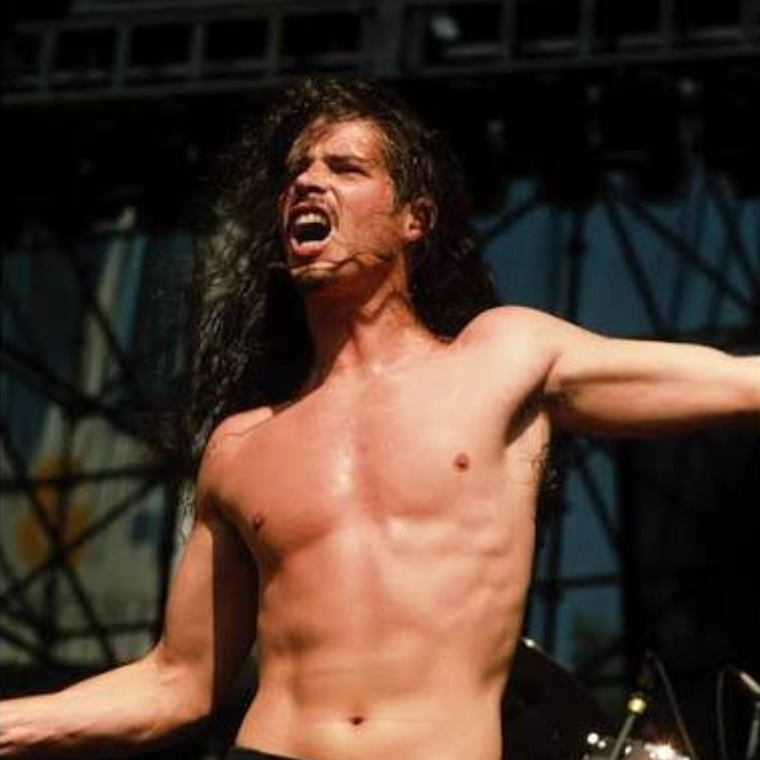
Vocals, guitar, songwriterCornell recalled making up the lyrics in a tour van, then remembering them without writing them down. He worked out the guitar riff separately, sitting on a couch in Seattle. A.V. Club interview
Kim Thayil
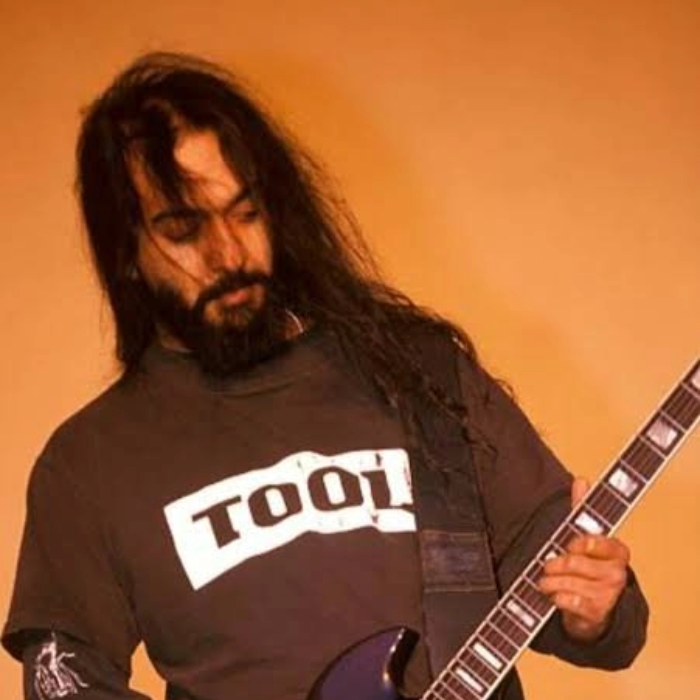
GuitarThayil recalled that the arrangement already had enough guitar action, so the band skipped a solo. He remembered the filtered guitar sound from Cornell’s demo and said the band used a wah in the studio. Guitar World interview
Ben Shepherd
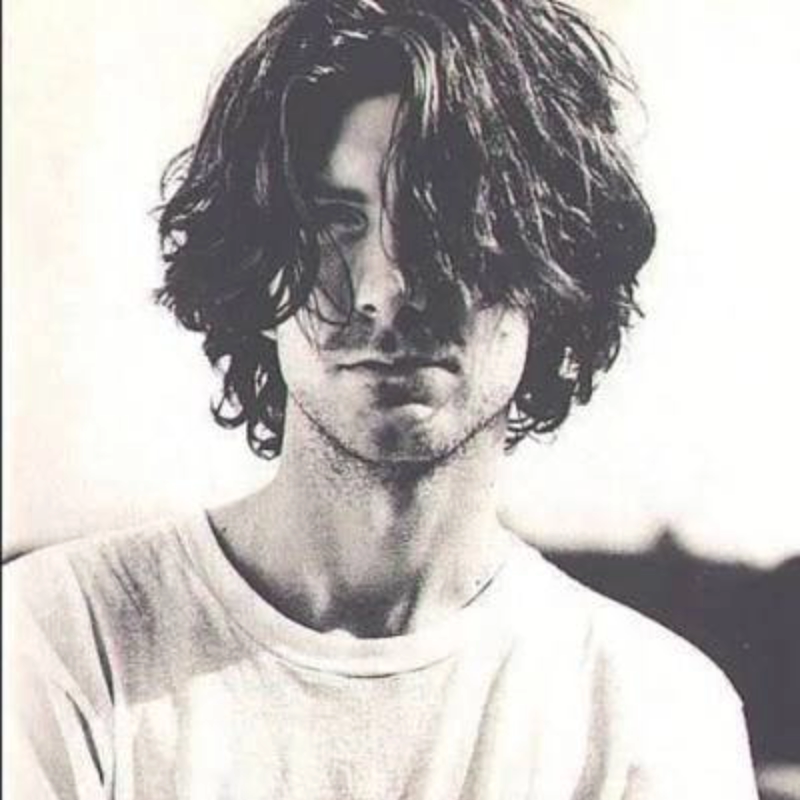
BassAsked why Johnny Cash might have picked this song to cover, Shepherd pointed to the honesty of Cornell’s lyrics. He linked that quality to Cash’s belief that singers have to sound like they mean what they sing. Irish Times interview
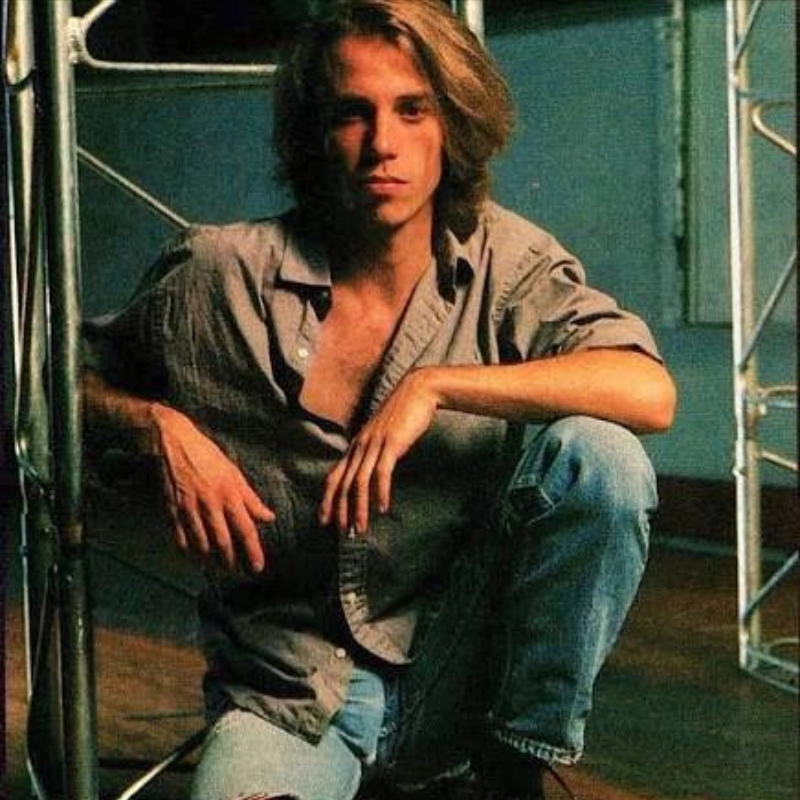
Matt Cameron
DrumsIn his Drumeo breakdown, Cameron discusses helping Cornell arrange the song and demonstrates the closing groove separately before playing the full track. Drumeo breakdown
Rusty Cage
Soundgarden - Badmotorfinger (1991) · Single (1992)[Verse 1]
Oh, you wired me awake
And hit me with a hand of broken nails
Yeah, you tied my lead and pulled my chain
To watch my blood begin to boil
[Chorus]
But I'm gonna break, I'm gonna break my
I'm gonna break my rusty cage and run
Yeah, I'm gonna break, I'm gonna break my
I'm gonna break my rusty cage and run
[Verse 2]
Too cold to start a fire
I'm burning diesel, burning dinosaur bones
Yeah, I'll take the river down to Stillwater
And ride a pack of dogs
[Chorus]
But I'm gonna break, I'm gonna break my
I'm gonna break my rusty cage and run
Yeah, I'm gonna break, I'm gonna break my
I'm gonna break my rusty cage and run
[Post-Chorus]
Hit like a Phillips head into my brain
It's gonna be too dark to sleep again
Cutting my teeth on bars and rusty chains
I'm gonna break my rusty cage and run
[Bridge]
When the forest burns along the road
Like God's eyes in my headlights
And when the dogs are lookin' for their bones
And it's rainin' icepicks on your steel shore
[Chorus]
Well, I'm gonna break, I'm gonna break my
I'm gonna break my rusty cage and run
Well, I'm gonna break, I'm gonna break my
I'm gonna break my rusty cage and run